Smoking, an addictive habit that has plagued millions of lives for decades, is a vice that entangles individuals in a web of dependency. However, amidst the struggle, there is hope. Quitting smoking is an arduous journey, but it is one that leads to a life of freedom, improved health, and the reclamation of life’s precious breath. In this article, we will delve into the challenges faced by smokers, the benefits of quitting, and the steps one can take to break free from the shackles of this harmful habit.
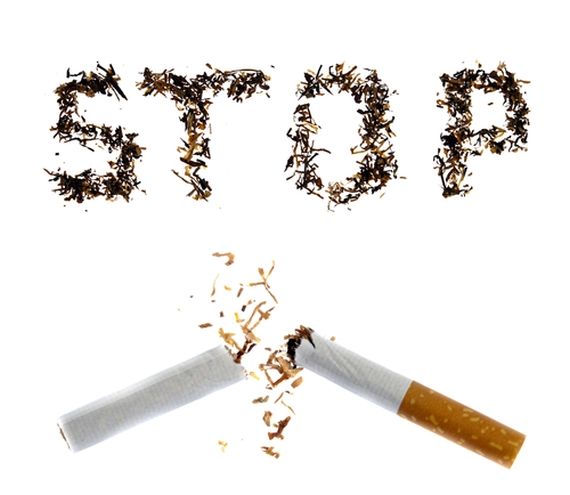
The Struggle of Addiction
Smoking addiction is a complex issue that affects both the body and the mind. Nicotine, a highly addictive substance found in tobacco, hooks smokers through various mechanisms. It stimulates the release of dopamine, a neurotransmitter associated with pleasure and reward, leading to a temporary sense of relaxation and relief. Over time, the body develops a tolerance, requiring higher nicotine doses to achieve the same effect. This vicious cycle perpetuates the addiction and makes quitting a daunting task.
The Toll on Health and Well-being
Smoking wreaks havoc on both short-term and long-term health. In the short term, smokers often experience coughing, shortness of breath, and reduced physical stamina. Furthermore, they are at a higher risk of respiratory infections and have a compromised immune system. Long-term smoking significantly increases the likelihood of developing life-threatening conditions such as lung cancer, heart disease, stroke, and chronic obstructive pulmonary disease (COPD). It is essential to recognize the detrimental impact smoking has on overall well-being and quality of life.
Benefits of Quitting
Although quitting smoking can be challenging, the rewards of breaking free from this habit are immeasurable. Here are some of the key benefits:
- Improved Physical Health: Within hours of quitting, the body begins to repair itself. Lung function and blood circulation improve, reducing the risk of heart disease and other smoking-related illnesses. Over time, the risk of developing cancer decreases significantly.
- Enhanced Respiratory Function: By quitting smoking, lung capacity increases, allowing for deeper breaths and better oxygenation of the body. This leads to improved stamina, reduced coughing, and better overall lung health.
- Financial Savings: Smoking is an expensive habit that drains finances. Quitting smoking not only improves health but also saves a significant amount of money that can be used for other purposes.
- Better Sense of Smell and Taste: Smoking dulls the senses of smell and taste. Quitting can gradually restore these senses, allowing individuals to appreciate flavors and scents in a whole new way.
- Improved Mental Well-being: Smoking is often used as a coping mechanism, but it ultimately contributes to stress and anxiety. Quitting smoking can lead to reduced stress levels and improved mental well-being.
Steps to Quit Smoking
Quitting smoking requires determination, support, and a well-thought-out plan. Here are some steps to help you on your journey:
- Set a Quit Date: Choose a specific date to quit smoking. This will provide you with a target and allow you to mentally prepare for the change.
- Seek Support: Inform your friends, family, and loved ones about your decision to quit. Their support and encouragement can make a significant difference. Consider joining support groups or seeking professional help from healthcare providers or smoking cessation programs.
- Identify Triggers: Recognize the situations or emotions that trigger your desire to smoke. Create strategies to cope with these triggers, such as finding alternative activities or practicing relaxation techniques.
- Replace the Habit: Replace the act of smoking with healthier habits. Engage in physical exercise, pursue hobbies, or try new activities to distract yourself from cravings.
- Utilize Nicotine Replacement Therapy (NRT): NRT products like nicotine patches, gum, or inhalers can help manage withdrawal symptoms. Consult with a healthcare professional to determine the most suitable option for you.
- Stay Positive and Persistent: Quitting smoking is a process that may involve setbacks. Stay positive and remind yourself of the benefits of quitting. Celebrate small victories and never give up on your goal.
Quitting smoking is a journey that requires commitment, patience, and perseverance. By breaking free from the clutches of smoking, individuals can regain control of their lives and rediscover the joy of a healthy, smoke-free existence. Remember, it’s never too late to quit smoking and embark on a path towards better health, improved well-being, and the reclamation of life’s breath.

 A CUP OF NOVELTY